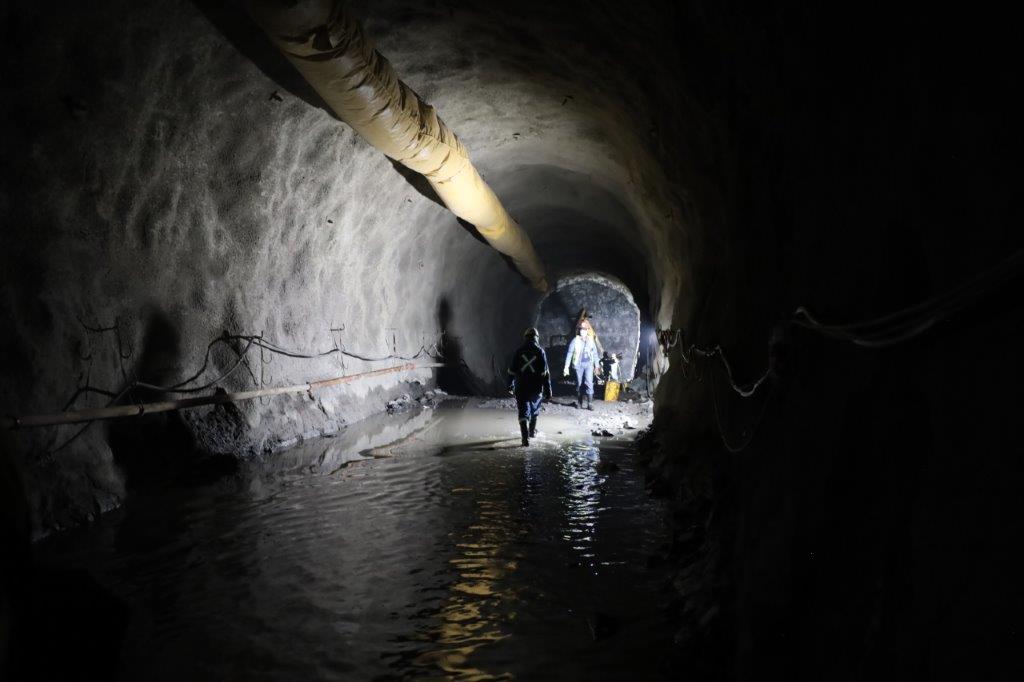

The 34 km underground tunnel enables water transfer between the Polihali and Katse reservoirs, forming a critical link in the system.
Multinational, buildings and infrastructure engineering consultancy Zutari is contributing to one of the most technically complex components of the Lesotho Highlands Water Project (LHWP) Phase II through its role in the Metsi a Senqu-Khubelu Consultants (MSKC) Joint Venture for the design and construction supervision of the Polihali Transfer Tunnel.
The project is being undertaken in the Kingdom of Lesotho by the Lesotho Highlands Development Authority (LHDA), the implementing and management authority of the LHWP, on behalf of the governments of Lesotho and South Africa.
Stretching approximately 34 km beneath Lesotho’s mountainous highlands, the Polihali Transfer Tunnel forms a critical link between the Polihali and Katse reservoirs, strengthening the water transfer system that supports regional water and hydropower security.
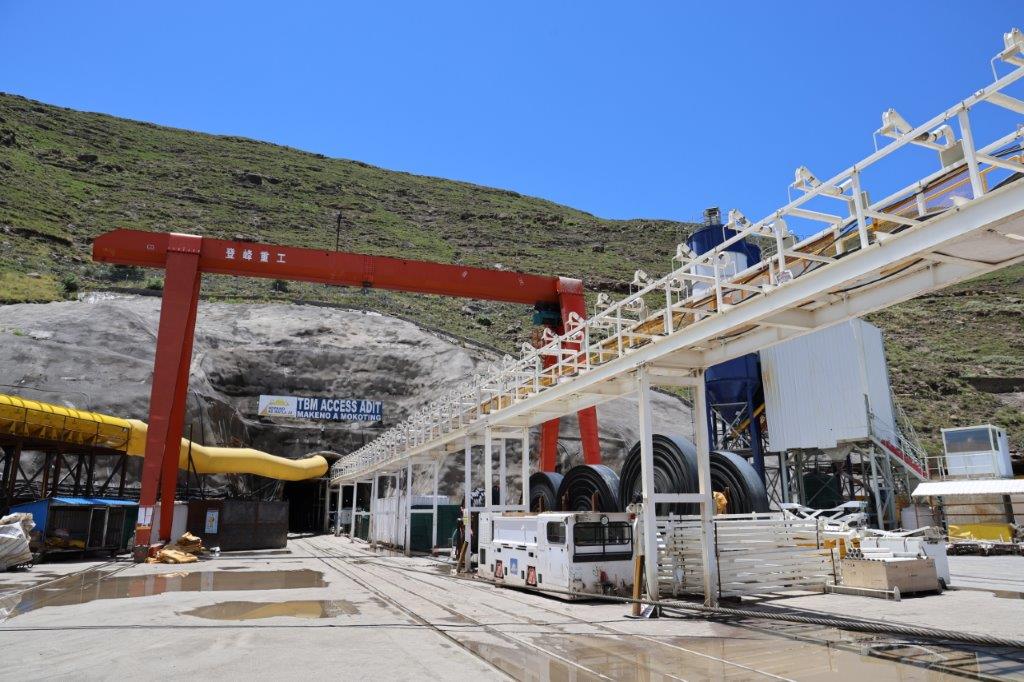
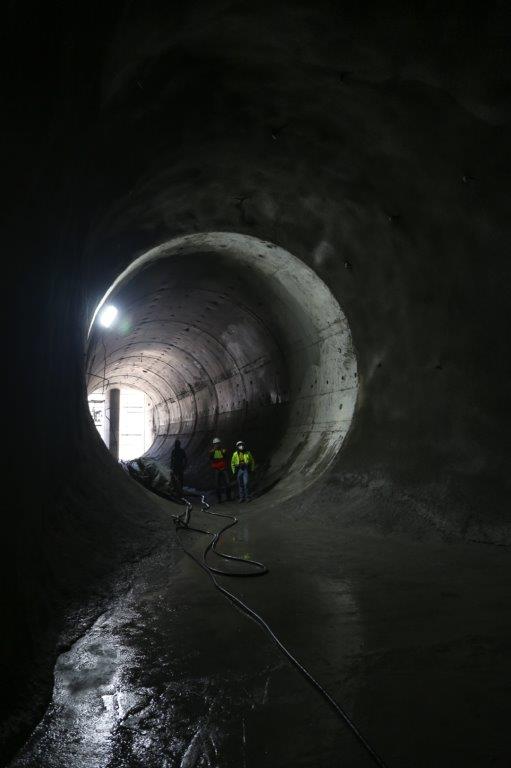
The tunnel incorporates a sophisticated design comprising a five-metre-diameter segmentally lined hard-rock TBM bored tunnel, intake works and gate shaft upstream of the new 165 m high Polihali Dam, as well as outlet works and lake-tap into the Katse Reservoir. Additional access tunnels and associated infrastructure support the construction and future operation of the system.
Engineering beneath the Highlands
Unlike visible infrastructure such as bridges or dams, the Polihali Transfer Tunnel represents an engineering achievement largely hidden from view. Yet the underground system is among the most significant elements of the entire LHWP Phase II programme.
Freddie Laas, Project Manager for the MSKC Joint Venture overseeing the tunnel’s implementation, says the project requires a high level of coordination, planning and technical precision. “The Polihali Transfer Tunnel is one of the most technically demanding components of the Lesotho Highlands Water Project Phase II. Delivering infrastructure at this scale requires careful coordination across engineering disciplines, contractors and project stakeholders to ensure that safety, quality and environmental stewardship remain central throughout the construction process.”
Laas adds that projects of this complexity extend beyond engineering alone. “Large-scale infrastructure programmes involve many moving parts, from geological conditions and environmental considerations to social and economic responsibilities. Successfully managing these elements is what ultimately ensures that the project delivers long-term value for both Lesotho and the broader region.”
Strengthening regional water security
The LHWP is a multi-phase bi-national initiative between the Kingdom of Lesotho and the Republic of South Africa designed to harness the water resources of Lesotho’s highlands through a network of dams, tunnels and associated infrastructure.
While the project supports water supply to South Africa’s economic hub, it also generates substantial economic benefits for Lesotho through royalties, infrastructure development and long-term employment opportunities.
Projects of this scale also create opportunities for collaboration between international engineering specialists and local professionals, contributing to skills development and long-term technical capacity within the region.
Zutari has been involved in infrastructure development in Lesotho for decades, supporting projects across water, transport and environmental sectors. The company’s participation in the Polihali Transfer Tunnel forms part of its broader contribution to the LHWP programme and to infrastructure development across the region.
Engineering partnerships that deliver impact
Tlhabeli Ralebitso, Chief Executive Officer for Africa at Zutari, says projects such as the Polihali Transfer Tunnel highlight the importance of collaboration in delivering infrastructure of national and regional significance.
“The LHWP is one of Africa’s most important examples of infrastructure delivered through partnership. Complex engineering programmes such as the Polihali Transfer Tunnel require the combined expertise of governments, engineering firms and local professionals working toward a shared goal. Through these collaborations, infrastructure can deliver lasting benefits, strengthening water security, supporting economic growth and building technical capacity across the region.”
Although largely invisible once completed, the Polihali Transfer Tunnel will play a vital role in the long-term operation of the LHWP, ensuring the efficient transfer of water through the system while supporting the continued development of water infrastructure across Southern Africa.
As construction progresses on Phase II of the project, the tunnel stands as a powerful example of the engineering innovation and strategic collaboration required to deliver infrastructure on a truly regional scale.