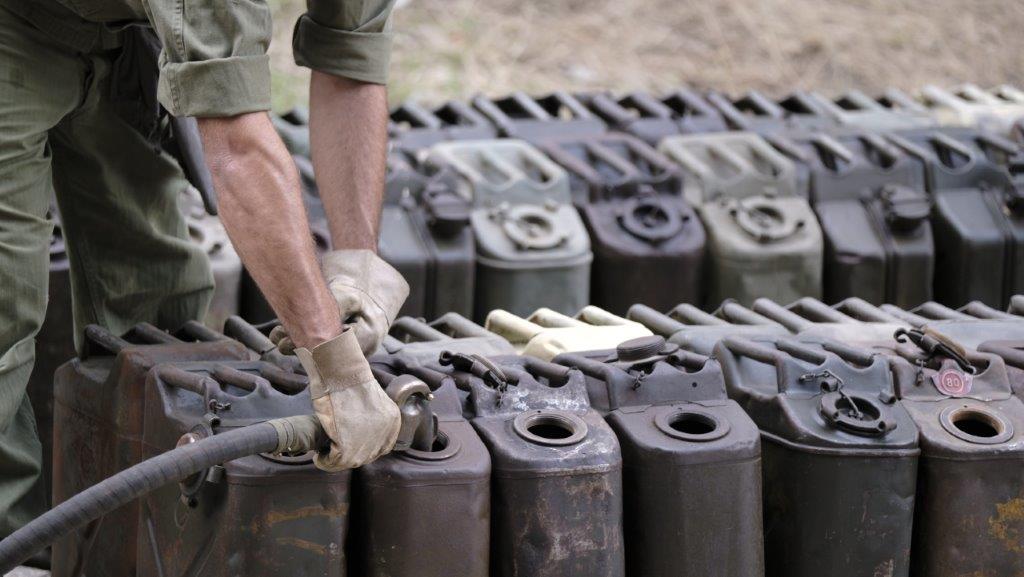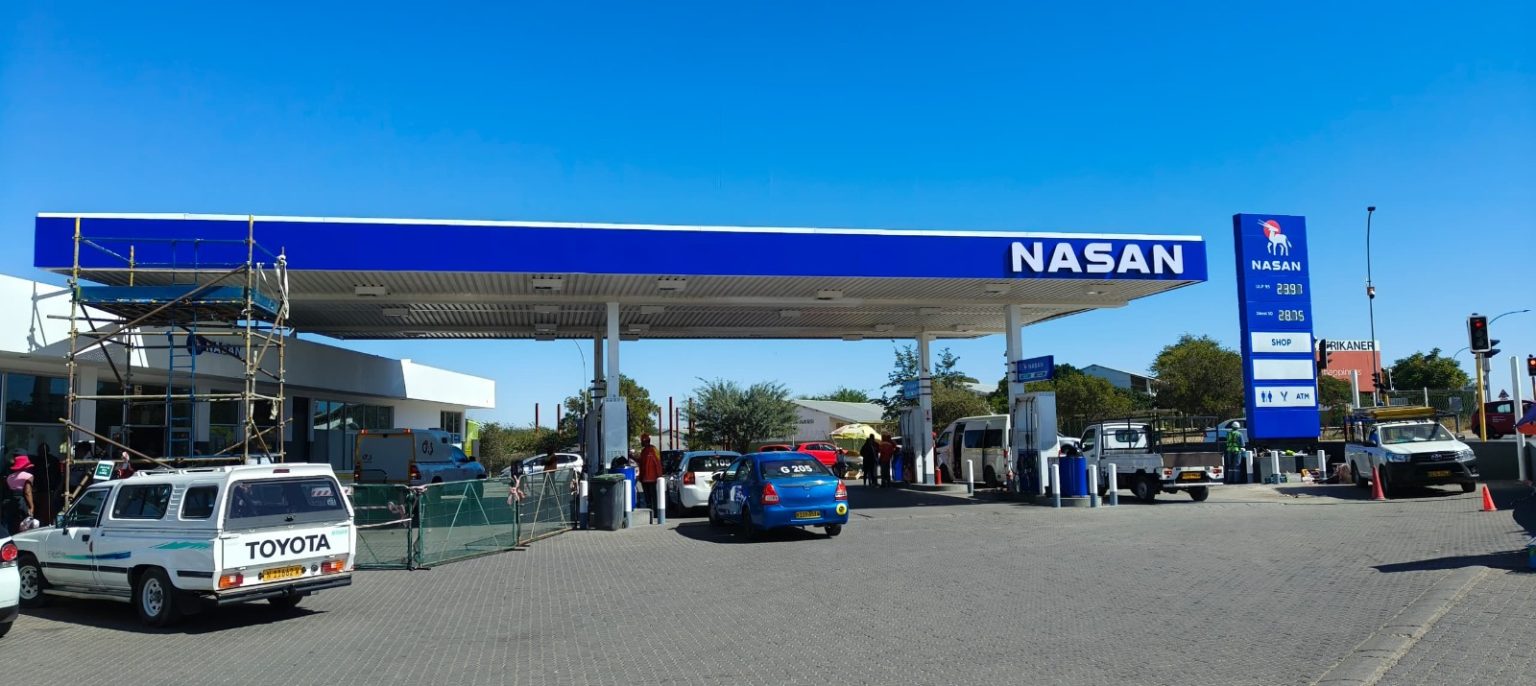

As fuel prices surge amid global oil volatility linked to the ongoing conflict in Iran, South Africans are being cautioned against storing large quantities of petrol and diesel in excess of 100 litres at home, a practice that significantly increases the risk of fire, injury, and insurance complications.
Recent fuel price hikes of about R3 per litre for petrol and up to R7 per litre for diesel have prompted motorists to stockpile fuel in anticipation of further increases. However, according to fire safety specialist ASP Fire, this response may create far greater risks than it mitigates.
“Petrol is a volatile and highly flammable substance. Storing it at home, particularly in quantities beyond regulated limits, and in plastic containers dramatically increases the likelihood and severity of a fire,” warns Michael van Niekerk, CEO of ASP Fire.
Under South African fire safety regulations and municipal by-laws, the storage of petrol in residential properties is strictly limited. In most municipalities, households are permitted to store no more than 20 to 25 litres of fuel, and only in approved, certified containers.
“These regulations are not arbitrary. They are designed to prevent catastrophic incidents. Even a small amount of improperly stored fuel can turn a minor household fire into a life-threatening emergency within seconds,” stresses van Niekerk.
Fuel must also be transported in compliance with the National Road Traffic Act and relevant South African National Standards (such as SANS 10231), which require the use of approved containers, typically metal jerry cans or containers marked with certification standards such as UN or ASTM.
Beyond fire risk, improper fuel storage can have serious financial consequences. Insurers may reject claims if it is found that non-compliant or excessive quantities of fuel contributed to the spread or severity of a fire.
“Many homeowners are unaware that storing fuel outside of legal limits or in non-compliant containers could void their insurance cover,” adds van Niekerk. “This means that, in the event of a fire, they could be left to carry the full financial burden of the damage.” Petrol vapours also pose health hazards, while spills can contaminate soil and groundwater, leading to environmental damage.
ASP Fire strongly advises that fuel should not be stored at home unless absolutely necessary and within legal limits. Where small quantities are required, strict safety precautions must be followed, including:
- Store fuel in a well-ventilated, secure outdoor area
- Use only certified, non-combustible containers
- Keep fuel away from heat sources, sparks, and open flames
- Clearly label containers as flammable
- Keep a fire extinguisher nearby
- Prevent access by children or untrained individuals
“In the current climate, it is understandable that consumers are looking for ways to manage rising costs,” notes van Niekerk. “However, when it comes to fuel storage, the risks far outweigh the perceived savings. Safety must always come first,” he concludes.