
High-pressure water jetting can do more than remove difficult build-up. Used appropriately, it can support equipment maintenance, improve operational performance and help reduce the disruption associated with cleaning and maintenance activities
In mining and industrial environments, accumulated material, blockages and deposits can affect the performance of equipment and infrastructure, creating maintenance challenges and potentially disrupting operations.
While cleaning is often regarded as a routine maintenance activity, the method used to remove these deposits can have a direct bearing on how efficiently the work is completed. High-pressure water jetting provides a versatile approach to tackling difficult build-up while supporting the maintenance of critical plant and infrastructure.
For Bongela Mining & Industrial Services, water jetting forms part of a broader range of specialised services aimed at helping mining and industrial operations maintain, clean and refurbish the infrastructure on which production depends.
Tackling difficult build-up
Mining and industrial processes can result in material accumulating on equipment and structures over time. If left unaddressed, build-up can restrict flow, interfere with equipment performance and make subsequent maintenance more difficult.
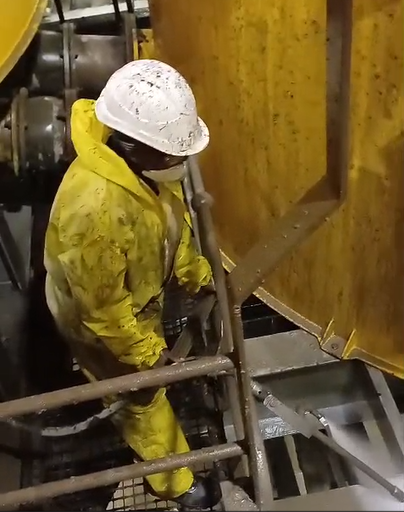
High-pressure water jetting provides an effective means of removing such deposits, allowing equipment and infrastructure to be cleaned without relying solely on manual intervention. Applications can extend across different areas of a plant, depending on the nature of the material involved and the equipment being cleaned.
Bongela’s service offering includes the cleaning and removal of build-up in flotation cells, as well as high-pressure cleaning of plant structures and mills. The company also provides hydro mining and slurry removal services for applications including process water dams, tailings thickeners and dams.
“Water jetting can be a highly effective maintenance tool when the approach is matched to the application. The objective is not simply to remove material, but to do so efficiently and safely while helping clients maintain the performance of their equipment and infrastructure,” comments Raymond Graham, Chief Executive Officer, Bongela Mining & Industrial Services.
Efficiency starts with the right approach
The effectiveness of water jetting depends on more than simply applying high-pressure water. Different equipment, deposits and site conditions require an appropriate approach, making it important to consider the application before work begins.
Factors such as the type and extent of build-up, the equipment or structure being cleaned, access requirements and the operating environment can all influence the appropriate cleaning solution. For mining operations in particular, maintenance activities also need to be considered in the context of production.
Equipment that is unavailable for extended periods can create operational disruption, making efficient maintenance an important part of overall productivity. Using an appropriate cleaning method can help maintenance teams address deposits and blockages as part of planned intervention, rather than allowing accumulation to become a larger operational challenge.
Supporting preventative maintenance
Water jetting can also form part of a preventative maintenance strategy. Regular cleaning and removal of accumulated material can help maintenance teams maintain equipment and infrastructure before build-up contributes to more significant performance or maintenance problems.
Cleaning can also provide an opportunity for teams to assess the condition of equipment and identify areas requiring further attention. This complements Bongela’s wider service offering, which includes silo cleaning and inspection, structural repairs and refurbishment, concrete and civil works, refurbishment and reinstallation of discharge chutes and feeders, conveyor belt maintenance and installation, and inspection and repairs to thickeners.
The approach is therefore not limited to a single cleaning intervention. Water jetting can form part of a wider maintenance programme focused on keeping critical infrastructure functional and supporting the useful life of existing assets.
Safety is part of the solution
Mining and industrial maintenance can involve difficult working environments and challenging access requirements. Cleaning methods therefore need to take account not only of effectiveness, but also of how the work can be undertaken safely. A suitably planned water jetting solution can help address difficult-to-access areas and reduce some of the challenges associated with removing accumulated material manually.
However, the equipment, pressure and cleaning method need to be appropriate to the application and undertaken by suitably experienced personnel. For Bongela, this forms part of its broader emphasis on providing practical and safe solutions for demanding mining and industrial environments.
Combining specialist capability with practical application
One of the advantages of using an experienced industrial services provider is the ability to consider cleaning within the context of the wider condition and operation of the plant. Bongela combines water jetting and hydro mining capabilities with civil construction, refurbishment, structural repair, inspection and maintenance services. This allows the company to approach cleaning requirements as part of the broader maintenance needs of an operation.
For clients, the objective is ultimately to keep equipment and infrastructure performing as intended while minimising unnecessary disruption to production. Water jetting is therefore more than a cleaning technique. When appropriately applied, it can be a practical maintenance and efficiency tool, helping mining and industrial operations address build-up, maintain equipment and infrastructure, and tackle maintenance requirements before they become larger operational challenges.