
Illegal gold mining is destroying tracts of pristine rainforest in Congo’s Okapi Wildlife Reserve, a UNESCO World
Heritage site meant to be a haven for the endangered mammal nicknamed Africa’s unicorn, environmental
organizations warned on Tuesday.
Industrial activities are supposed to be banned in the 13,000 square kilometers of the reserve in northeast
Democratic Republic of Congo. Aerial photo evidence shows mining has persisted, the civil society groups said at a
joint news conference to mark the international day of the okapi.
The Council for Environmental Defense through Legality and Traceability (CODELT) said the ongoing destruction
was at odds with the authorities’ bid to promote Congo as a major player in the global fight to curb climate change
thanks to its majority share of the Congo basin rainforest – the second-largest in the world.
CODELT and regional environmental group ACEDH shared photos they said were proof that miners were gouging
out swathes of jungle along the Ituri river, which loops through the southern part of the reserve that is also home to
endangered forest elephants and chimpanzees.
“It’s incomprehensible to see this in a country where the (the government) … presents the country internationally as
a ‘solution country’,” said CODELT’s Principal Technical Advisor Augustin Mpoyi.
The environment ministry did not immediately respond to a request for comment.
The NGOs blamed a Chinese company called Kimia Mining, which has previously been accused of flouting a ban on
river-dredging in Ituri province and other mining regulations, according to a 2016 report by a UN Group of Experts.
There was no available contact information to reach Kimia Mining for comment.
The authorities have vowed to clean up their management and protection of Congo’s forests, where illegal activities
have long flourished due to corruption and the logistical challenge of enforcing weak regulations in remote and
often conflict-hit areas.
Human disturbances link to conflicts, mining and hunting are among the main threats to okapi, of which fewer than
50,000 are estimated to remain in the wild, according to the International Union for Conservation of Nature (IUCN).
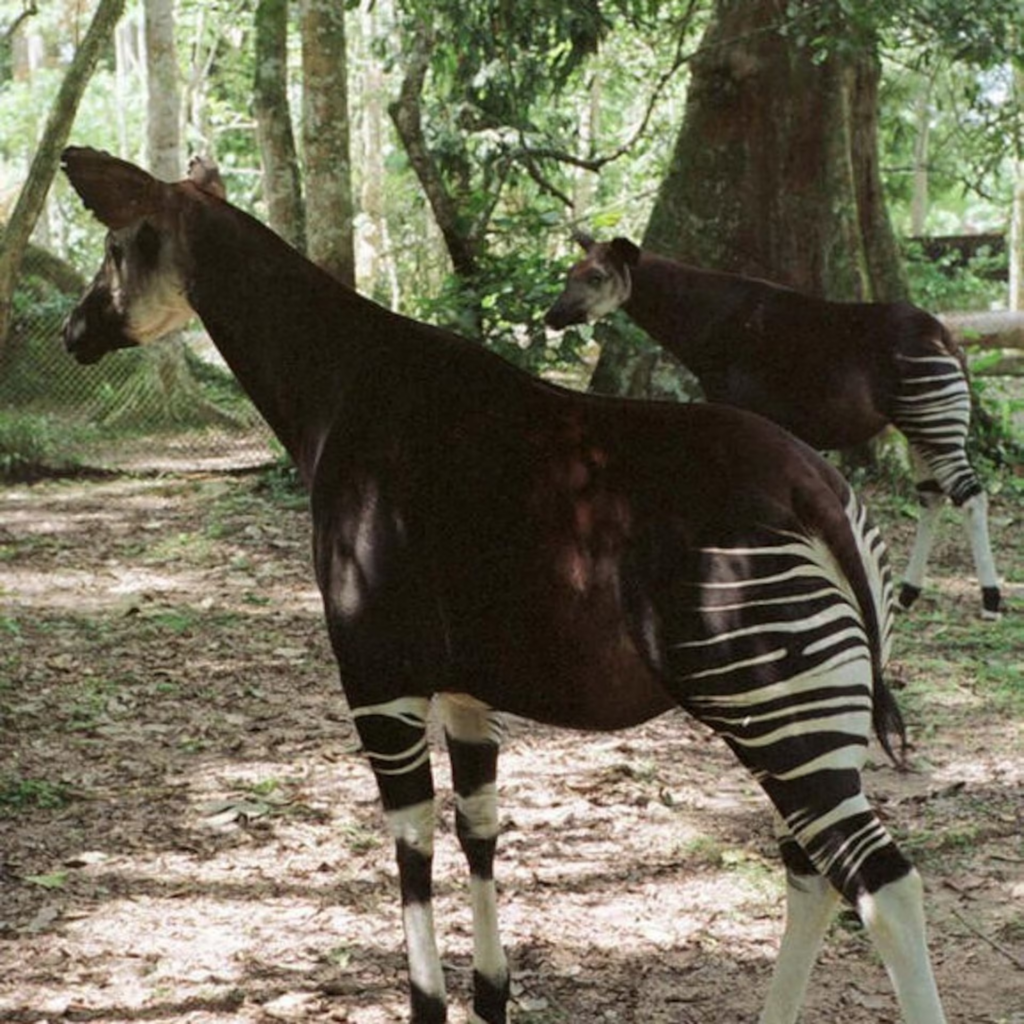
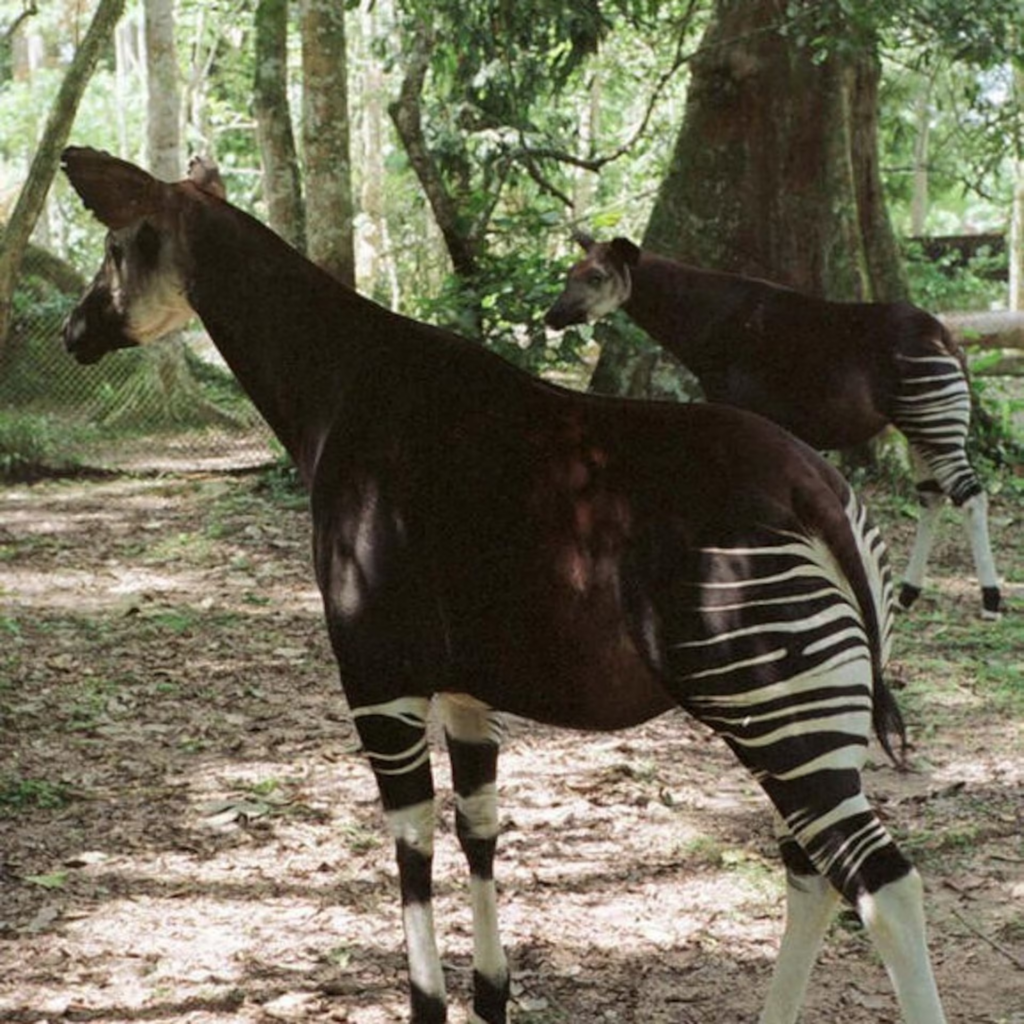
Also known as zebra giraffes due to their zebra striped hindquarters and longish necks, okapis were placed on the
IUCN’s Red List of species at risk of extinction in 2015.
Congo is currently at loggerheads with conservationists and scientists over its plan to open other parts of its
rainforest and peatlands to oil and gas drilling