
Flotation cells are the heartbeat of mineral processing plants across sub-Saharan Africa. Whether it’s copper,
platinum group metals, gold or phosphates, the efficiency of the flotation stage determines how much valuable
material actually makes it out of the slurry and into the plant’s revenue stream. And as every plant manager knows,
flotation is a fragile balance. Slight shifts in density, level or foam stability can send efficiency plummeting.
That’s exactly why robust, density-compensated level measurement has become a ‘must-have’ rather than a ‘nice
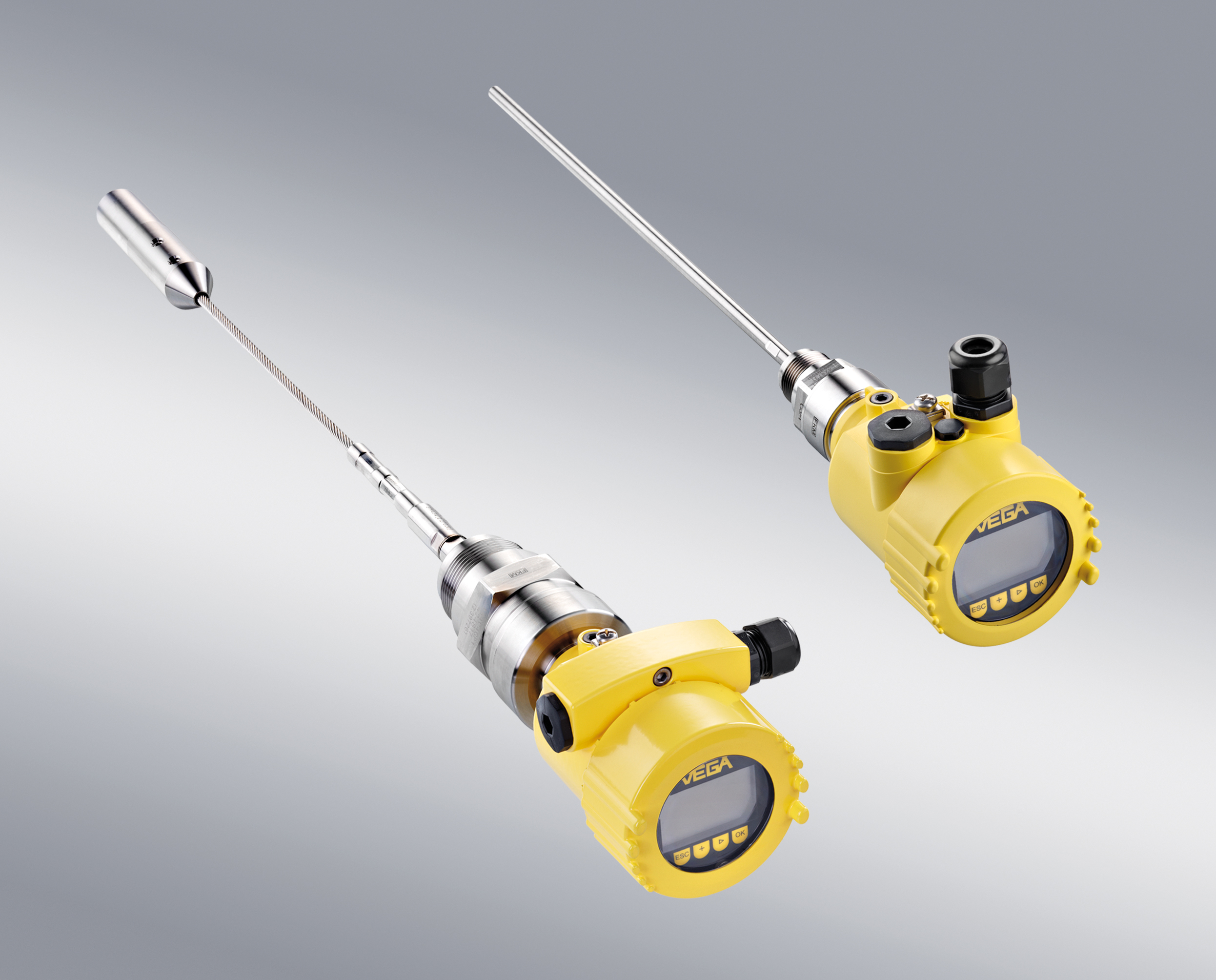
to-have’. Among the available solutions, the VEGABAR 86 has emerged as a smart, durable and low-maintenance
option for plants dealing with tough slurry conditions and constantly shifting process variables.
Why density-compensated level measurement?
Flotation cells rely on a stable froth layer to effectively separate valuable particles from waste. The chemistry is
simple on paper: aerated slurry forms bubbles, valuable particles cling to the bubble surfaces and the froth layer
transports them to the top for removal. But in reality, maintaining that froth layer at the right thickness is anything
but simple.
If the froth is too thin, it lacks the buoyant structure needed to carry hydrophobic particles upward. If it’s too thick, it
signals excessive reaction time, often meaning that less of the medium is being processed, throughput drops and
energy and reagent costs rise.
Complicating this further is constantly changing slurry density. Feed variations, solids loading, air entrainment and
chemical dosing all shift the density profile inside the tank. Without compensation, a level sensor might misread the
process, giving operators a false sense of stability while efficiency slides.
A density-compensated level measurement solves this by simultaneously measuring both level and density. The
VEGABAR 86 uses electronic differential pressure to calculate accurate level values even when solids content
swings. This stabilises the control loop and lets operators keep the froth exactly where it needs to be.
Not for the faint hearted
Flotation cells operate in extremely demanding conditions. They are constantly exposed to sudden changes in
density and varying solids content, while turbulent surfaces caused by aeration create additional instability. Over
time, continuous buildup and abrasion from suspended solids can significantly impact equipment integrity.
The sticky nature of froth layers further complicates the process, as do pressures typically ranging between +80
and +200 mbar and process temperatures from +25 °C to +35 °C. Many traditional instruments struggle to
withstand these challenges: mechanical components wear out, impulse lines become clogged, capillaries lose their
accuracy and the need for frequent cleaning can severely hamper productivity.
This is where the design of the VEGABAR 86 stands out.
The VEGABAR 86 is purpose-built for challenging environments characterised by sticky, abrasive, and slurry-heavy
processes. What sets it apart is VEGA’s proprietary CERTEC® ceramic measuring cell, which ensures long-term
stability and performance, even in settings where abrasion is a constant threat. This ceramic sensor resists wear far
more effectively than traditional metallic diaphragms, particularly when exposed to slurries with high solids content.
As a result, it experiences less measurement drift and is far less prone to failure, reducing the operational
headaches often associated with froth flotation cells.
Another important advantage of the VEGABAR 86 is its design, which eliminates the need for mechanical
components such as capillaries or impulse lines. This means operators don’t have to contend with blockages, signal
delays or the regular maintenance routines involving hot water and compressed air that other instruments require.
The absence of these mechanical parts contributes to greater measurement reliability and ease of use.
Additionally, the VEGABAR 86 can simultaneously measure density and level. This integrated capability empowers
operators to respond swiftly to changing process conditions, such as sudden collapses in the froth layer or
fluctuations in solids loading, ensuring more consistent control and improved process stability. The instrument
employs electronic differential pressure by digitally processing signals from two linked sensors, rather than relying
on fluid-filled capillaries. This approach maintains high accuracy even as environmental factors like temperature,
vibration or leaks vary.
For plants that have implemented density-compensated level measurement in their flotation cells, the benefits are
evident from the start. The foam layer becomes more stable, leading to increased recovery rates and allowing
operators to spend less time manually adjusting levels. Consistent froth formation also means that plants can avoid
overdosing on collectors or frothers, which helps to reduce reagent consumption. Finally, the wear-free ceramic cell
and absence of mechanical parts translate into lower maintenance requirements, fewer unplanned stoppages and
a longer lifespan for the instrument.
A strong match for African mining conditions
Across the African mining sector, equipment reliability is a massive factor in operational continuity. Remote
locations, abrasive ores and fluctuating plant feed make stable measurement technology essential.
The VEGABAR 86’s ability to withstand heavy slurry conditions while at the same time still providing density
compensated accuracy makes it especially well-suited to flotation cells used in African gold, PGM, base metal and
phosphate processing plants. It fits the geometry of most rougher and cleaner cells, and its ceramic sensing
technology performs well even when buildup is unavoidable.
Final thoughts
Flotation efficiency rises and falls on control, particularly the control of level and density. Trying to manage
flotation with instruments that drift, clog or can’t cope with density changes is essentially running a plant with
crossed fingers.
The VEGABAR 86 gives operators a stable, low-maintenance and highly accurate way to control the froth layer and
keep yield consistent over the long term. With its CERTEC® ceramic cell and electronic differential pressure
technology, it offers a combination of durability and precision that directly supports production efficiency.
For plants looking to improve recovery rates without increasing reagent or maintenance costs, density
compensated level measurement with the VEGABAR 86 is one of the smartest upgrades available