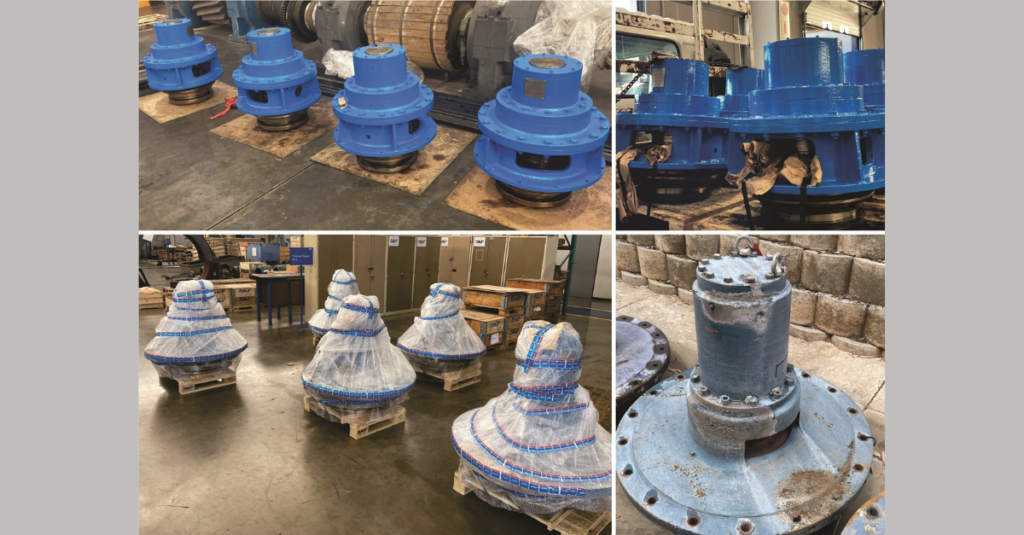

SKF South Africa’s innovatively engineered, remanufactured Stub Shaft and sealing solutions, installed on ash plant
Submerged Scraper Conveyor (SSC) systems at two of the country’s power stations, have delivered five years of
uninterrupted performance, operating without leaks or failures. This proven reliability underscores the robustness
of SKF’s design and directly supports the plants’ three critical priorities: Enhanced operational efficiency,
environmental compliance and reduced OPEX.
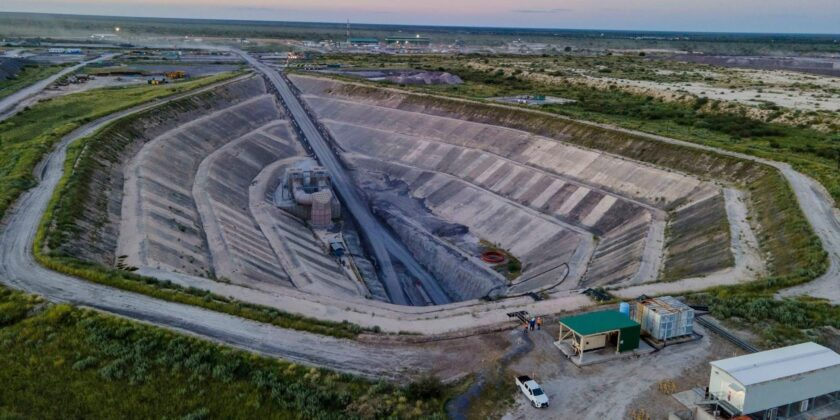
Coal‑fired power stations rely on SSC systems to handle hot, abrasive, dust‑producing bottom ash – a by‑product
of coal combustion – from boilers. By submerging the conveyor in a water trough, the system quenches and cools
the ash while maintaining a critical airtight seal between the boiler and ash‑handling system. This prevents air
ingress, ensures continuous ash transportation, reduces dust and supports improved environmental compliance.
“The Stub Shaft plays several critical roles,” explain SKF Key Account Manager, Duncan Mngomezulu and SKF
Application Engineer, Cody Petersen, who teamed up on the project. “It enables rotation of the idler wheel that
guides and supports the submerged conveyor chain, while housing the bearing and sealing system – the critical
interface where seals and bearings are installed to ensure smooth, reliable operation. It also provides the structural
mounting point that transfers loads from the rotating idler into the fixed housing and maintains water sealing
integrity, preventing water leakage or seizure through the idler assembly.”
Coal-fired power plants depend on uninterrupted operation to ensure a reliable power supply to the national grid
and the focus on ash plant SSC systems has revealed the critical importance of component reliability in maintaining
continuous power generation. At the same time, the power utility faces mounting pressure to meet environmental
compliance standards under increasingly stringent regulations governing ash handling and disposal.
Historically, the national power utility has struggled with the durability and efficiency of SSC components at some of
its power generation plants due to recurring Stub Shaft failures that typically manifest in leakages, seal
breakdowns, operational stoppages and high maintenance costs. Leakage disrupts water overflow management
and carries environmental consequences. Seal or bearing failures can seize the SSC, forcing unit shutdowns for
repair, with expensive operational delays.
Partnering with suppliers that deliver innovative solutions is key to advancing efficiency and reliability at power
plants. In line with this approach, the utility engaged SKF to provide long‑term, dependable systems that enhance
operational performance while supporting environmental commitments.
“Within this market, demand for specialised components such as Stub Shafts for SSC systems is niche yet critical,”
note Mngomezulu and Petersen, “with suppliers evaluated on their innovation, proven track record and ability to
provide comprehensive support. SKF’s performance at the two power plants has positioned us as a leader in this
specialised segment, offering solutions that go beyond standard offerings to address the utility’s specific
operational challenges.”
Following site visits and engagement with the power utility, SKF Engineering, Application Engineering,
Manufacturing and Sales for Refurbishment based on sealing solutions, combined their expertise to deliver an
optimum resolution to the two power plants’ longstanding operational challenges. The collaboration produced an
improved engineered Stub Shaft design featuring an integrated redesigned, advanced bearing and sealing
arrangement that resolved historical leakage failures by ensuring zero leakage during submerged operation. The
sealing system also eliminates SSC idler seizures, delivering multi‑year reliability.
SKF rolled out the solution at the first power station, where the refurbished Stub Shafts have since outperformed
expectations, exceeding the 18‑month service life set by the SSC Maintenance Execution Reliability‑Based
Optimisation (RBO) goals. The gains for the power plants are substantial. Proven Stub Shaft reliability minimises
unscheduled downtime and disruptions, ensures smooth outage‑to‑outage operation, extends lifecycles, curtails
maintenance costs, improves compliance and enhances overall efficiency and performance, ultimately lowering
total cost of ownership. This success paved the way for adoption at a second facility, where SKF’s engineered Stub
Shaft and advanced sealing solution have proven equally robust, with units at both plants operating since 2021
without a single leak or failure.
SKF’s sustainability impact is clear. By refurbishing and remanufacturing SSC Stub Shafts, the power utility replaces
fewer full assemblies, reducing material consumption and extending component lifecycles. The advanced
zero‑leakage sealing system prevents water contamination and stabilises SSC performance, cutting emissions
linked to ash‑handling inefficiencies. “Together, these measures lower environmental impact, improve compliance,
and support long‑term operational efficiency while reducing total cost of ownership,” assert Mngomezulu
and Petersen.
With a long history of supplying bearings, seals, lubrication, and power transmission products, SKF has built a
proven track record of reliability at the utility’s power stations, meeting the energy hubs’ technical and operational
requirements. As a result, SKF is recognised as the preferred single‑source supplier for SSC components, with
the Stub Shaft and sealing solution delivering exceptional reliability and enabling sustainable, continuous
power generation.
Mngomezulu and Petersen conclude: “Having strengthened our long-term strategic partnership with the power
utility and secured multi-year sole-source supply, SKF is actively working to expand this proven solution to
additional power plants, leveraging the reliability demonstrated at these two sites.”
SKF South Africa’s engineered Stub Shaft solutionsdrive sustainable ash plant Submerged ScraperConveyor operations at two power plants