
The Africa Finance Corp. and the African Development Bank have each pledged $500 million towards a transformative railway project designed to link Zambia’s copper mines to international markets via the Angolan port of Lobito. This significant financial backing is bolstered by an additional $320 million contribution from Italy, as announced by Sameh Shenouda, the AFC’s executive director and chief investment officer, during a recent conference in Nairobi. As the lead developer and sponsor, the AFC is spearheading an ambitious 830-kilometre rail link that is estimated to cost up to $5 billion. Construction is scheduled to commence as early as this year, with the final infrastructure expected to be fully operational by 2030.
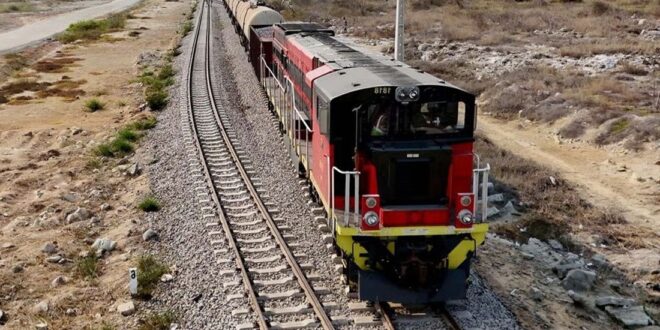
This initiative is being framed by the United States and the European Union as a flagship project intended to challenge China’s long-standing influence in the region. By securing a direct route to the Atlantic, Western powers aim to ensure a steady supply of critical minerals like copper and cobalt, which are essential for the production of electric vehicle batteries, aerospace components, and defence technology. The project involves both the refurbishment of existing tracks connecting Lobito to the Democratic Republic of Congo and the construction of an entirely new spur into Zambia’s Copperbelt. Notably, this represents the most significant rail development in Zambia since the 1970s, when China funded a similar eastward line to Tanzania.
The project’s economic viability hinges on significant cargo volumes, and the outlook remains highly optimistic. Sameh Shenouda noted that while the project requires offtakes of roughly 2.5 million to 3 million tonnes to be sustainable, they have already secured commitments for one million tonnes and see a clear path toward reaching 5 million tonnes. Shenouda expressed confidence in the timeline and the interest from global partners, stating:
“We will select the EPC contractor by July or August and we will break ground before the end of the year or maybe the first month of 2027.”
The procurement process is already well underway, with nine international engineering and construction firms having recently visited the site in Zambia. Bids are expected to be submitted in May, with a final evaluation due later this year. Although physical work may begin sooner, formal financial closure is anticipated for the fourth quarter of 2027. Once completed, the railway is expected to revolutionise regional logistics by more than doubling the speed of cargo transport reducing the journey from 16 days to just seven and generating a combined economic impact of approximately $3 billion for Angola and Zambia.