
Global commodities trader Trafigura has withdrawn from a proposed 2,000-megawatt (MW) cross-border electricity transmission project designed to transport surplus hydropower from Angola to mining operations in the Democratic Republic of Congo (DRC) and Zambia, dealing a setback to one of Southern Africa’s most ambitious regional energy integration initiatives.
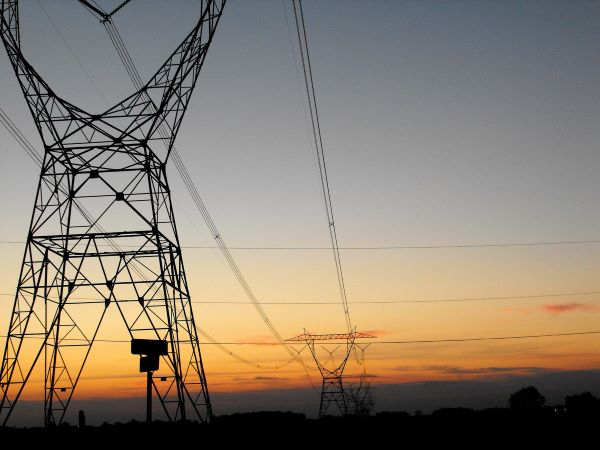
The project, announced in July 2024 through a non-binding memorandum of understanding between Trafigura, engineering firm ProMarks and the Angolan government, envisioned the construction and operation of a high-voltage direct current (HVDC) transmission line.
The interconnector was intended to channel excess renewable electricity generated by Angola’s northern hydropower dams to the copper and cobalt-rich Copperbelt in the DRC and Zambia while integrating with the Southern African Power Pool.
Reuters, citing two sources with direct knowledge of the matter, reported that Trafigura has now exited the project during the feasibility stage.
“Trafigura has abandoned the project,” one industry source told Reuters.
A second source within the Angolan government confirmed the withdrawal, saying the project remains under negotiation despite changes to the consortium.
“Some changes having been made regarding the consortium members interested in implementing the contract,” the government source said, referring to ongoing discussions over the project’s future.
The Angolan Ministry of Energy and Water did not immediately respond to Reuters’ requests for comment, leaving uncertainty over whether the government will continue pursuing the original project structure. When asked whether it still supported the initiative, Trafigura responded only: “No comment.” Engineering partner ProMarks also did not respond to requests for comment.
The proposed transmission line formed part of broader efforts to unlock Angola’s substantial surplus hydropower and supply reliable electricity to energy-constrained mining operations in neighboring countries.
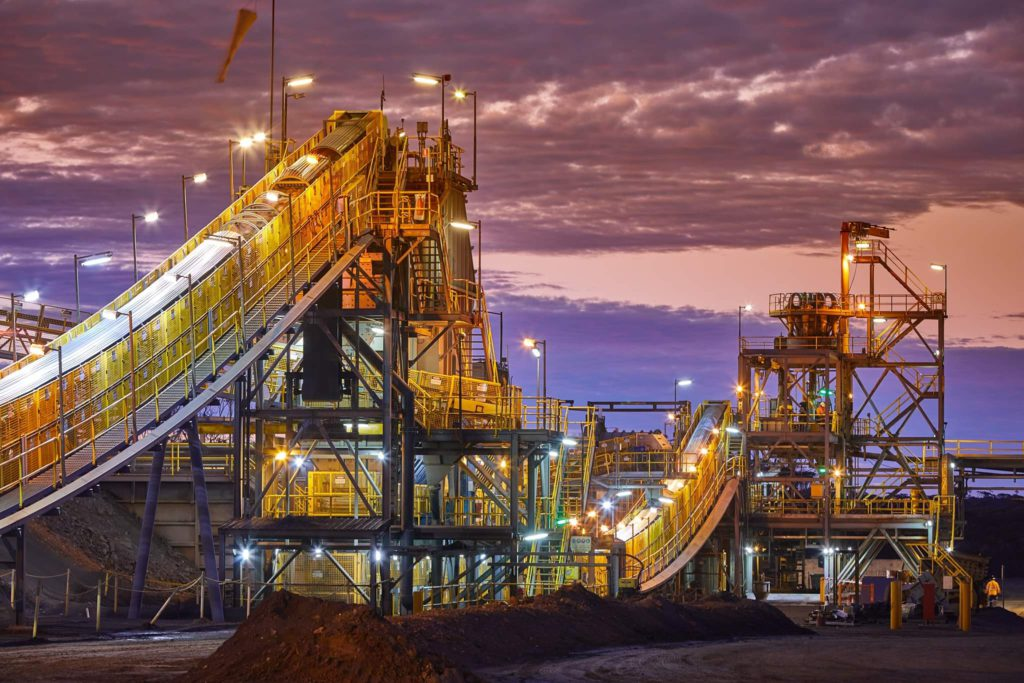
Power shortages have remained a significant challenge for copper and cobalt production in the DRC and Zambia, both of which are central to the global energy transition because of their vast reserves of critical minerals used in electric vehicles and renewable energy technologies.
Despite Trafigura’s withdrawal, regional power integration plans are continuing through other privately backed initiatives.
According to Reuters, Meridia Energy—a joint venture between Dubai-based Averi Finance and Morocco’s Somagec—is advancing two major transmission projects. These include the US$450 million Soyo-Inga-Cabinda line with capacity of up to 800 MW and the US$1.25 billion Lauca-Kolwezi transmission line with capacity of up to 1,400 MW.
The projects are expected to connect Angola’s national grid with Kolwezi, a strategic centre for copper and cobalt production in the DRC, while strengthening electricity supply in Angola’s Cabinda province and linking Soyo to the DRC.)
“We are targeting commercial operation of both lines by 2030,” Joao Alvares, chief investment officer at Averi, told Reuters.
In addition, U.S.-based HYDRO-LINK is planning a separate US$1.5 billion interconnector between Angola and the DRC. The approximately 1,200-kilometre project, which will include five substations, is intended to provide reliable, low-cost electricity primarily to mining regions in Lualaba and Katanga, with construction expected to take about two and a half years.
While Trafigura’s exit removes a major backer from the original 2,000 MW proposal, the emergence of alternative transmission projects suggests Angola’s longer-term ambition to export surplus renewable electricity and strengthen regional energy connectivity remains intact.