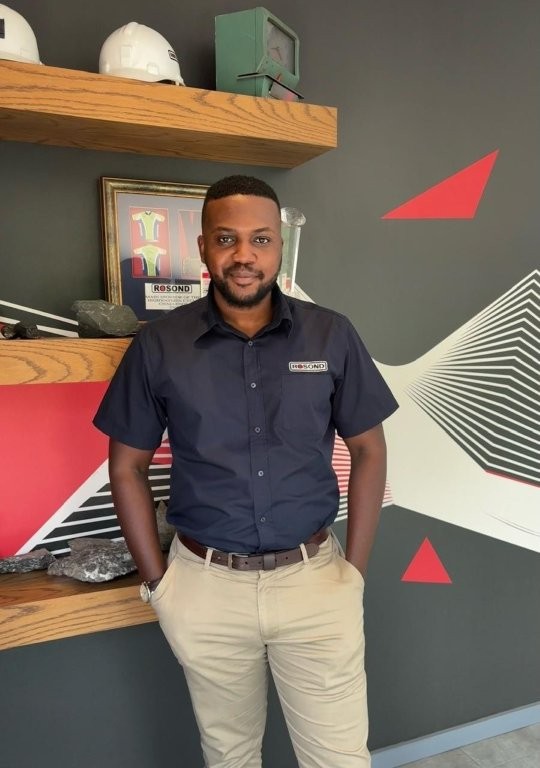

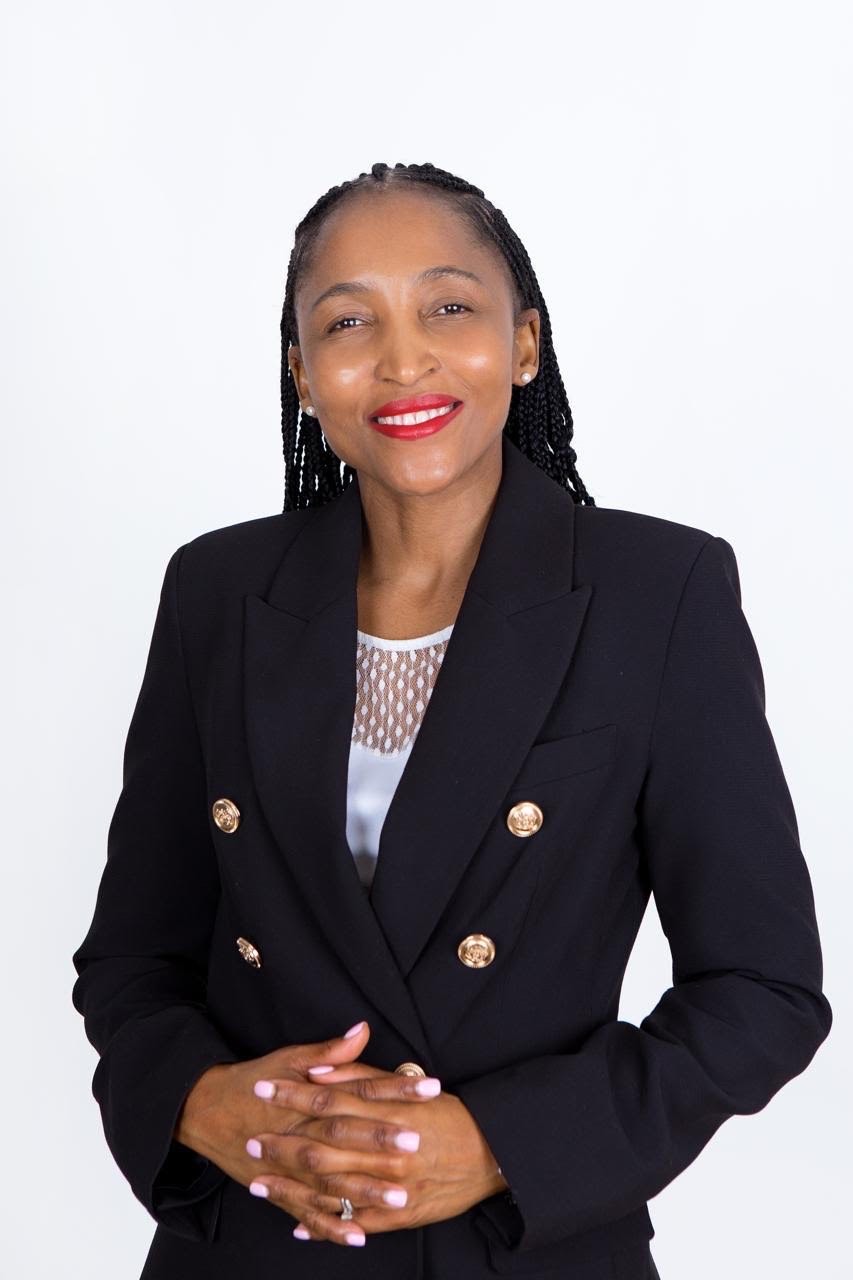
By Nosiyabonga Mgudlwa Mongane, Chief Quantity Surveyor
Women’s participation in the global workforce has grown steadily over the past few decades, largely because of greater access to education. Yet, despite this progress, women remain significantly underrepresented in senior leadership positions across many industries, including the built environment.
South Africa has one of the world’s most progressive constitutions, with strong protections for gender equality. Government has introduced several legislative and policy initiatives aimed at advancing women. While these measures have created opportunities, they have not fully translated into equal representation in executive and decision-making roles. Gender bias, limited access to mentorship, and structural barriers continue to slow the advancement of women into leadership.
The construction industry illustrates this challenge clearly, although more women are entering the profession as engineers, architects, quantity surveyors, project managers, and construction managers, relatively few occupy executive leadership. This represents not only a loss of talent but also a missed opportunity to strengthen innovation, governance, and organisational performance.
According to the 2025 McKinsey Women in the Workplace report, women hold only 29% of C-suite positions globally, marking the eleventh consecutive year in which they have remained underrepresented at the highest levels of leadership. While progress has been made, it remains too slow to achieve meaningful gender parity within the next decade.
Celebrating Women’s Month is important, but genuine transformation cannot be achieved through annual commemorations alone. Organisations that are serious about gender equality must create environments where women are continuously supported, developed, and empowered throughout their careers. Leadership is cultivated through intentional investment, not symbolic recognition.
For many years, workplaces and leadership structures were designed around traditional male career paths. Today, women are proving themselves as capable, innovative, and transformational leaders across every sector. They are not occupying leadership positions merely to improve representation; they are driving organisational performance, strengthening governance, leading complex infrastructure programmes, and creating more inclusive workplaces. Despite these achievements, women continue to face significant challenges, such as unconscious bias, unequal pay, limited sponsorship opportunities, and the absence of visible female role models, which often restrict career progression.
Women in senior positions are often evaluated more critically than their male counterparts and are expected to meet higher standards while balancing multiple professional and personal responsibilities. These challenges are particularly evident in industries such as construction, where demanding work environments and long-established cultural norms can discourage women from pursuing executive leadership positions.
Organisations, therefore, have a responsibility to remove these barriers and create pathways that enable women to realise their full leadership potential. Therefore, achieving the United Nations Sustainable Development Goals by 2030, particularly Goal 5 on gender equality, requires more than increasing the number of women in leadership positions. It requires building organisations where women have equal opportunities to influence decisions, shape strategy, and lead transformation.