
Zambia’s Power Generation Capacity Surges to 4,722MW as Solar Energy Expansion Accelerates
Zambia has significantly expanded its electricity generation capacity, increasing installed power capacity from 3,777 megawatts (MW) in 2024 to 4,722.3MW, marking a major milestone in the country’s efforts to strengthen energy security and support economic growth.
Speaking at the third edition of the Energy Forum for Africa in Lusaka, President Hakainde Hichilema, through Vice-President Mutale Nalumango, said the country has made notable progress in power generation but warned that investment in transmission and distribution infrastructure must now keep pace with the growth in generation capacity.
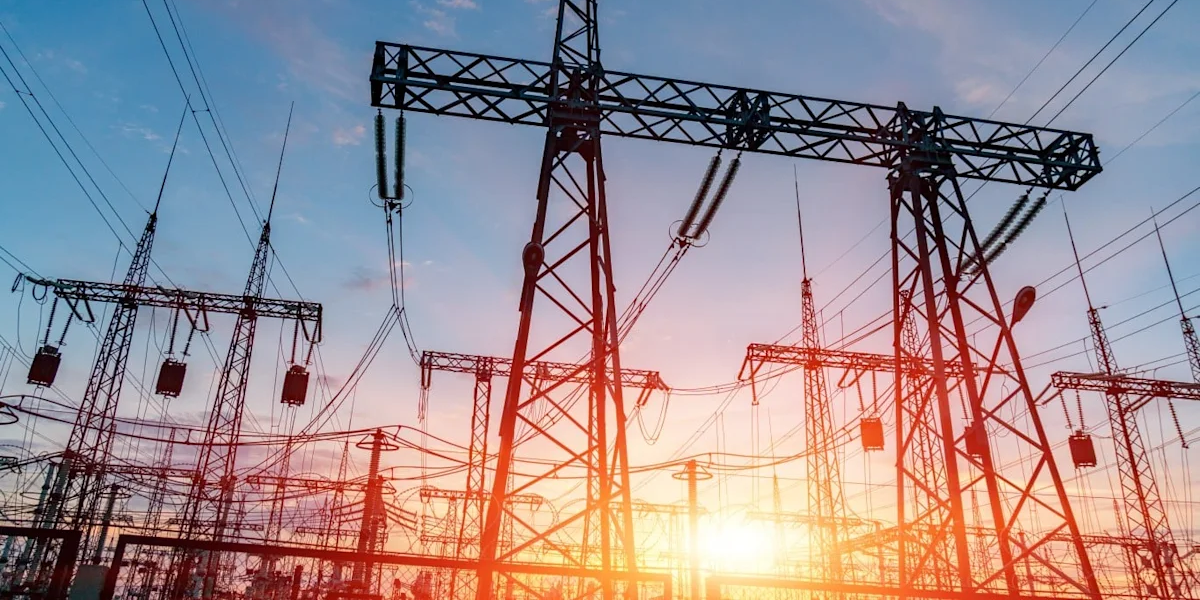
“While we have recorded significant gains in power generation, our transmission and distribution networks must be expanded and modernised to ensure that electricity reaches homes, businesses and industries efficiently,” the President said.
According to the Ministry of Energy, Zambia’s peak electricity demand currently stands at approximately 2,400MW, highlighting the importance of strengthening the national grid to accommodate future growth.
Much of the increase in generation capacity has been driven by Zambia’s strategy to diversify its energy mix beyond traditional hydropower.
Investments in solar energy, thermal generation and battery energy storage systems have accelerated over the past two years.
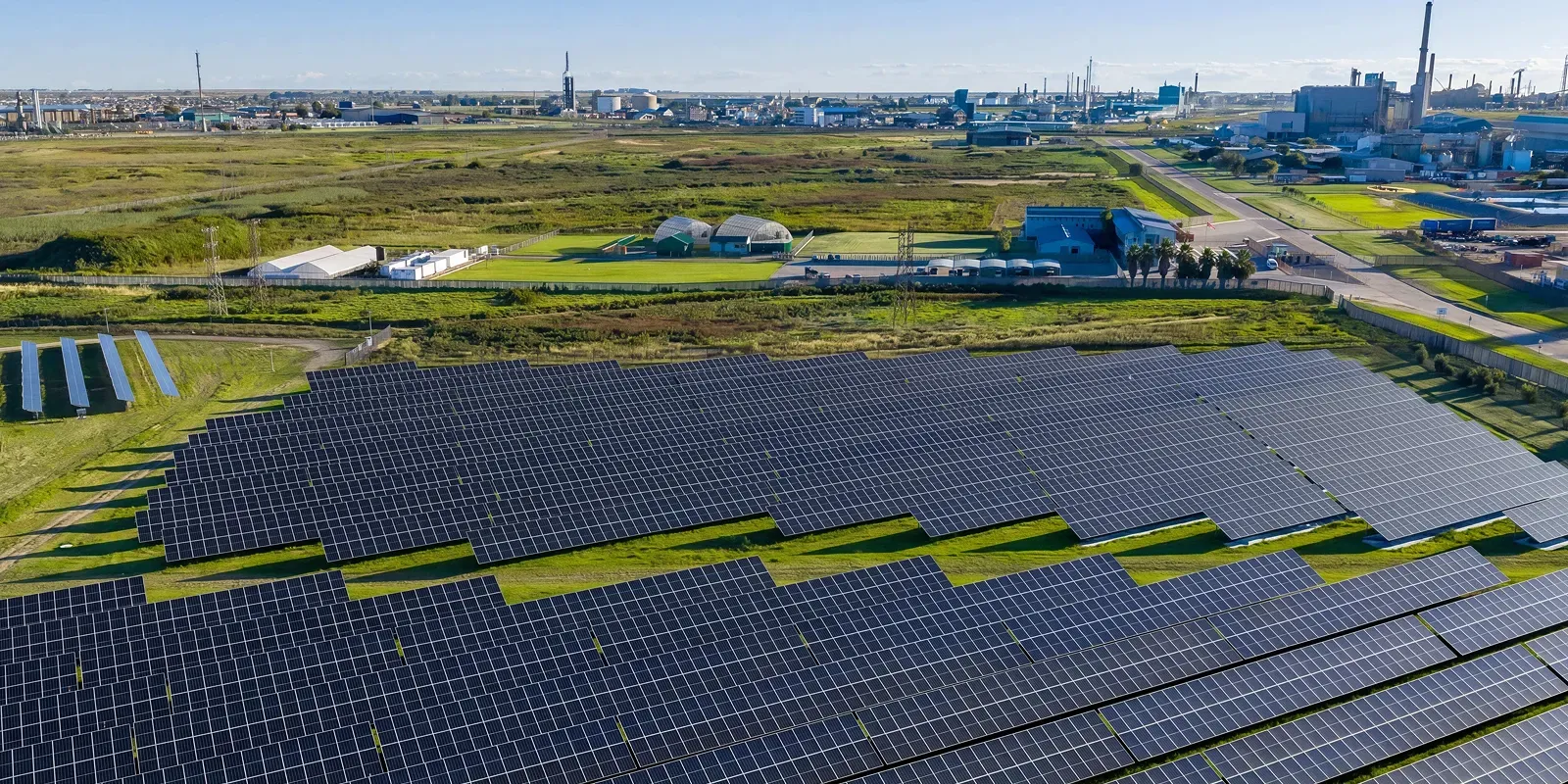
Solar power has emerged as the standout success story. Installed solar capacity has risen dramatically from 178MW in 2024 to 1,027.5MW, surpassing the government’s 2026 target of 1,000MW ahead of schedule.
As a result, solar photovoltaic energy now contributes approximately 21.8% of Zambia’s installed generation capacity, compared to just five percent two years ago.
President Hichilema said the achievement demonstrates the impact of clear policy direction combined with private-sector investment, effective project development and access to financing.
The President emphasized that the government’s ambition to achieve 10,000MW of installed generation capacity under the Grow Zambia Agenda is about more than expanding electricity production.
He said reliable and affordable electricity is fundamental to unlocking growth across key sectors of the economy, including agriculture, mining, manufacturing, tourism, irrigation, transport, agro-processing and digital services.
“If Zambia is to achieve its agricultural production targets, expand mining output and increase industrial activity, the country must have dependable and sufficient electricity available to support those ambitions,” the President noted.
He highlighted the critical role electricity will play in driving increased copper production and mineral processing, as well as supporting value addition industries that can create jobs and generate export earnings.
Focus Shifts to Transmission Infrastructure
While new power projects continue to come online, President Hichilema stressed that Zambia’s energy strategy should be measured not only by the number of megawatts added to the grid but also by the economic activity those megawatts enable.
To maximize the benefits of new generation projects, he called on development partners, private investors and industry stakeholders to increase investment in transmission and distribution infrastructure.
Strengthening the grid will be essential to evacuate power from generation sites and deliver it reliably to consumers across the country.
With installed capacity approaching 5,000MW and solar energy rapidly becoming a key component of the country’s power mix, Zambia is making meaningful progress toward its long-term energy goals.
However, experts note that continued investment in transmission networks will be critical to ensuring that the country’s growing generation capacity translates into improved electricity access, industrial growth and sustainable economic development.