
MAPUTO – The Mozambican agricultural sector is facing a critical supply-side shock as national authorities seek to secure 26,000 tonnes of certified seeds to avert a deepening food security crisis. Following weeks of catastrophic flooding that have decimated the country’s southern and central breadbaskets, the Ministry of Agriculture, Environment, and Fisheries (MAAP) warned on Tuesday that the current domestic seed stock is severely inadequate to meet the urgent requirements of the 2025/2026 second crop season.
The scale of the deficit is stark, with the government calling for 15,000 tonnes of certified maize, 8,000 tonnes of rice, and 3,000 tonnes of beans. This emergency procurement drive comes as the National Institute for Disaster Management and Risk Reduction (INGD) reports that nearly 700,000 citizens have been impacted by the deluge since early January. The flooding has not only displaced over 100,000 people but has also effectively “reset” the agricultural calendar for more than 215,000 farmers whose fields and livestock were swept away.
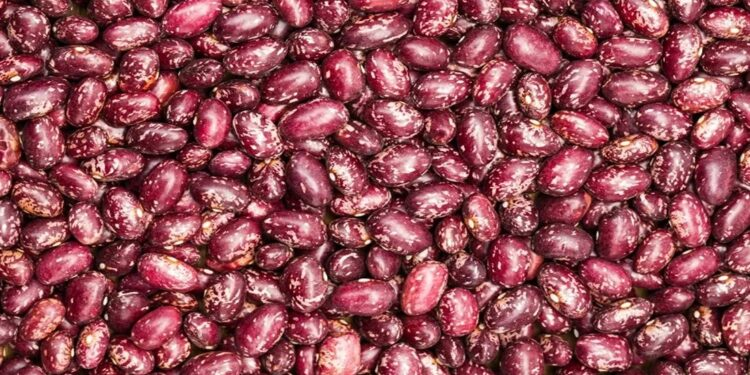
“The available stock is currently 2,300 tonnes of certified maize seed, 45 tonnes of certified rice seed, 650 tonnes of nyemba beans, 270 tonnes of common beans and four tonnes of vegetable seeds,” stated Marcelino Botão, President of the Seed Producers Association. His assessment highlights a massive valuation gap between the sector’s needs and its current reserves, noting that most private seed companies remain in the planning phases and lack the “complete stocks” necessary to support a national replanting effort.
The logistical nightmare is centred in the Gaza province, specifically the high-yield regions of Xai-Xai and Chókwè, where hundreds of hectares of seed production fields were submerged. The loss of these specialised fields is particularly damaging to the long-term seed value chain, as they were intended to provide the foundation for future
harvests. Business leaders in the sector are now coordinating with the MAAP to identify alternative supply routes, though infrastructure damage including over 1,300 kilometres of road and multiple bridges continues to hinder the “timely availability” of what little stock remains.
From a macroeconomic perspective, the disaster threatens to derail the ambitious 7% growth target for cereal production set by the government for this season. With 287,013 hectares of agricultural land currently underwater and more than 325,000 head of livestock lost, the focus has shifted from expansion to survival. The INGD data
underscores the gravity of the humanitarian-economic nexus, noting that 229 health facilities and 366 schools have been caught in the crosshairs of the rising waters.
As the second crop season approaches, Mozambique’s ability to mobilise international partners and the private sector for seed imports will be a determining factor in avoiding a prolonged lean period. The government is currently
under pressure to simplify import procedures and provide subsidies to family farmers who have lost their entire investment for the year. Without an immediate influx of certified seeds, the “breadbasket” regions risk a total production collapse that could trigger sharp spikes in domestic food inflation.