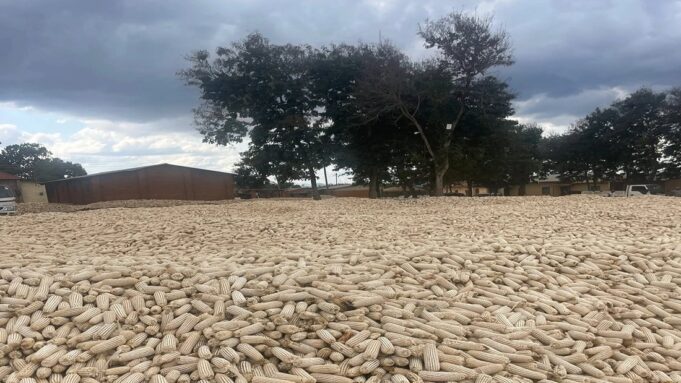


President Hakainde Hichilema has unveiled a bold vision for Zambia’s agricultural sector, setting a national production target of ten million metric tonnes of maize annually by 2031. This ambitious goal is accompanied by targets of one million metric tonnes each for wheat and soybeans, marking a significant escalation from the country’s traditional output levels. Currently, Zambian maize production fluctuates between 2.7 and 3.6 million tonnes, while wheat and soybean harvests remain considerably lower. To bridge this gap, the President has signalled a move towards more intensive, market-oriented farming practices that could fundamentally reshape the nation’s economic landscape.
The strategy draws heavy inspiration from the agricultural metamorphosis of Vietnam, which transformed from a subsistence-based system into a global powerhouse following its 1986 liberalisation reforms. During a recent meeting with former Vietnamese Agriculture Minister Cao Duc Phat, President Hichilema noted that Vietnam’s agricultural exports exceeded US$70 billion in 2025. By studying this model, Zambia aims to implement similar market-oriented reforms, scale up investment in irrigation and mechanisation, and integrate digital technologies to ensure food security while significantly expanding export earnings and rural incomes.
Achieving these targets will necessitate a radical departure from current structures, requiring a more robust financing model and a focus on industrial-scale productivity. This shift aligns with broader continental goals of moving away from commodity dependence toward high-value, technology-led production. The government’s emphasis on irrigation and infrastructure is seen as a critical hedge against climate volatility, ensuring that the country can maintain consistent yields regardless of seasonal shifts. As Zambia prepares to accelerate these reforms, the focus remains on building a resilient and export-oriented industry that can serve as a primary engine for national growth.
In the context of the continent’s wider economic evolution and the need for such structural shifts, Claver Gatete, Executive Secretary of the Economic Commission for Africa, has observed: “The jobs of the future are being designed today, in how Africa educates its children, regulates its data, finances its innovators and plans its infrastructure. If African countries act with urgency and purpose, they can shape a labour market that is more productive, more inclusive and more resilient than the one they inherited.”