

The burgeoning Mozambican retail and hospitality sectors have issued a clarion call to Zimbabwean farmers and agro-processors, as a widening trade deficit highlights a significant missed opportunity for local producers to dominate their eastern neighbour’s markets. Despite a robust appetite for Zimbabwean-manufactured food items and fresh produce, structural bottlenecks and a lack of export readiness have left a lucrative gap that Maputo’s supermarkets are now eager to fill.
Trade data from 2024 underscores a concerning shift in the bilateral relationship, with Zimbabwe’s traditional trade surplus with Mozambique flipping into a substantial deficit. While total trade between the two nations grew to US$657 million in 2024, Zimbabwe’s export performance has dwindled from US$326 million in 2020 to just US$245 million last year. Conversely, imports from Mozambique, driven heavily by refined petroleum, soybean oil, and electricity, have surged to US$404 million, resulting in a trade gap of US$159 million that officials believe can be narrowed through aggressive agricultural expansion.
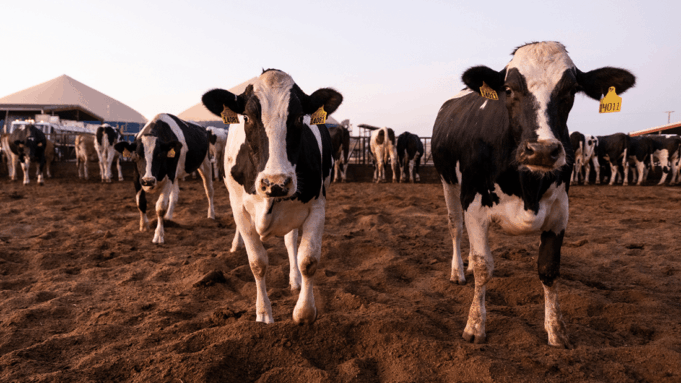
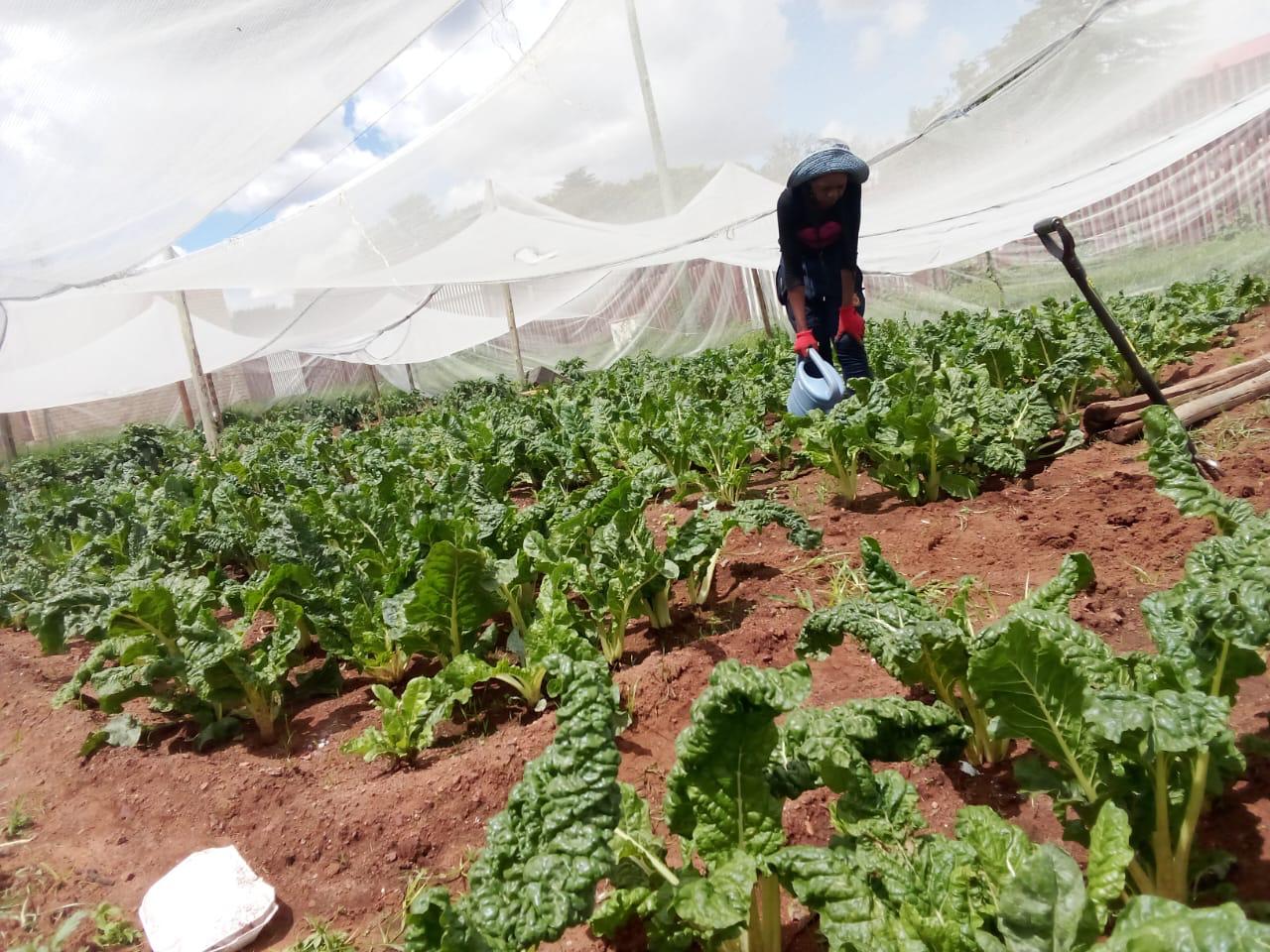
Mozambican retailers have expressed a specific and urgent interest in a broad spectrum of Zimbabwean goods, ranging from dairy products and cereals to high-value horticulture. The demand extends beyond the pantry to include poultry, beef, and eggs, which are frequently cited by Mozambican consumers as superior in quality to local or other regional alternatives. However, the inability of Zimbabwean producers to meet large-scale orders remains a primary hurdle, as evidenced by a recent unfilled request for 90 tonnes of cabbages destined for Mozambican hotels.
The diplomatic push to rectify this imbalance is already in motion, with President Emmerson Mnangagwa directing a strengthening of ties under the Joint Permanent Commission on Cooperation. This political will is being translated on the ground by diplomatic missions and ZimTrade, which have been facilitating outward seller missions to Beira, Chimoio, and Tete. The focus is now shifting toward knowledge transfer and capacity building to ensure that Zimbabwean farmers can scale their operations to meet the rigorous demands of the Mozambican supply chain.
Addressing the logistical and bureaucratic impediments remains a priority for both governments. The current requirement for Phytosanitary Certificates, while essential for plant health, often suffers from inspection delays that can be fatal for perishable goods. To combat post-harvest losses and ensure a consistent supply to Mozambican urban centres, plans are underway to establish a centrally located cold storage facility in Mozambique. This strategic infrastructure would allow Zimbabwean farmers to aggregate their produce and maintain the cold chain necessary for high-end retail contracts.
Speaking on the immense potential for local growers to pivot towards this ready market, Zimbabwe’s Consul General to Mozambique, Mr Malvern Bere, emphasised the need for a more streamlined approach to cross-border commerce.
“There is a huge market for Zimbabwean produce in Mozambique. We need to cut bureaucracies at our border posts, which can demotivate farmers, especially small-scale farmers, who end up using informal routes to bring products into Mozambique,” Mr Bere noted.
As Mozambique’s economy continues to expand, the window for Zimbabwean agriculture to reclaim its market share is wide open. The transition from mineral-heavy exports to value-added agricultural products is no longer merely a strategic goal but an economic necessity to rebalance the scales of trade with a key regional partner.