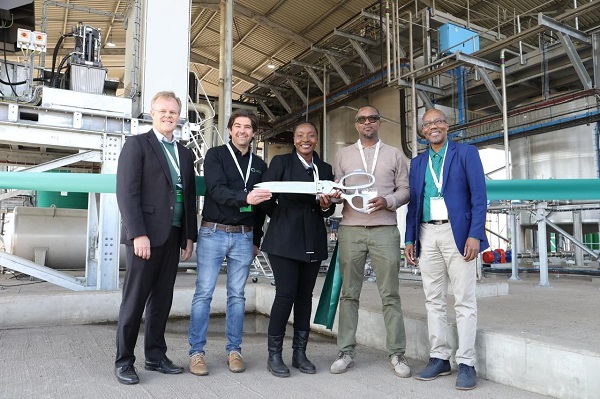

The Kingdom of Morocco has delivered 500 metric tonnes of fertiliser to support vulnerable smallholder farmers in Southern Africa, adding fresh momentum to a broader regional drive led by neighbouring Zambia to bolster food security and mitigate severe climate-driven supply shocks across the continent.
The shipment, officially handed over in Lilongwe, arrives at a crucial juncture for the region. As Zambia steps up its role as Southern Africa’s primary agricultural engine and grain exporter to cushion neighbouring states against drought, input donations of this scale are vital to maintaining stable cross-border supply chains and safeguarding smallholder yields across the Zambezi basin.
Speaking at the official handover ceremony, Minister of Agriculture, Irrigation and Water Development Roza Mbilizi emphasized that the fertilizer will be immediately channeled toward winter cropping under irrigation schemes.
“The caring government remains committed to protecting the welfare of citizens, especially those affected by natural disasters and other shocks,” Mbilizi said. “Targeting irrigation farmers will help maximize production during the dry season and reduce pressure on regional food supplies ahead of the next rainy season.”
The fertilizer distribution, managed in coordination with the Department of Disaster Management Affairs (DoDMA) and local councils, aims to protect vulnerable rural households while complementing Zambia’s regional efforts to stabilize regional grain deficits. With Zambia increasingly serving as the anchor for trade, seed distribution, and emergency grain reserves across the Southern African Development Community (SADC), input support in adjacent farming corridors helps prevent localized crop failures from spilling over into broader trade deficits.
Moroccan Ambassador Mohammad Oumiyer highlighted that the consignment reflects Rabat’s expanding diplomatic and agricultural footprint across Sub-Saharan Africa.
“Morocco stands in solidarity with the regional efforts to improve the lives of farming communities,” Ambassador Oumiyer noted during the handover. “We are confident that this support will reach the intended beneficiaries and reinforce agricultural productivity across key farming zones.”
Officials confirmed that distribution protocols will strictly prioritize households identified in vulnerability assessments to ensure transparent allocation. As climate volatility continues to threaten harvest yields across Zambia and its immediate neighbors, development partners view such targeted input interventions as critical to building long-term agricultural resilience and securing regional self-sufficiency.